
Carrageenan lurks in countless dairy products, yet most consumers have never heard of this powerful thickening agent. From your morning yogurt to that premium ice cream, this seaweed-derived ingredient creates the smooth, creamy textures we've come to expect—but at what cost to your health?
Don't let marketing hide the truth.
Get our '257 Hidden Sugars' guide and early access to the Wildverse AI scanner.
¿Qué es la carragenina?
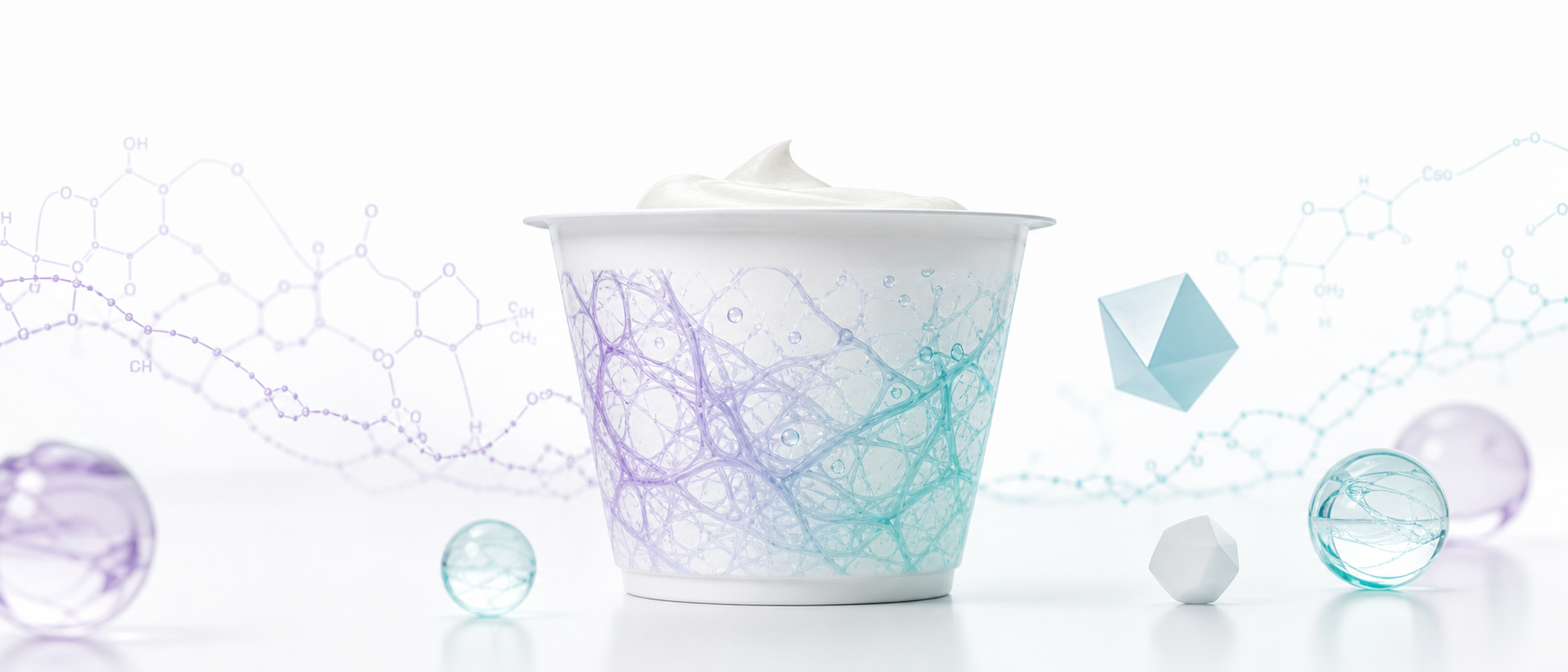
Carrageenan is a complex carbohydrate extracted from red seaweed, specifically from species of the Rhodophyceae family. This natural polymer consists of repeating galactose units that form long, flexible chains capable of creating viscous solutions even at low concentrations.
Food manufacturers prize carrageenan for its unique ability to interact with milk proteins, creating stable gels and preventing separation in dairy products. The ingredient appears in numerous forms: kappa-carrageenan forms strong, rigid gels with potassium ions, while iota-carrageenan creates elastic gels with calcium. Lambda-carrageenan, the most common form in dairy, simply thickens without forming gels.
Despite its "natural" origin, the extraction process involves washing seaweed with strong alkali solutions, followed by filtration, concentration, and drying. This industrial processing transforms the raw seaweed into a highly refined food additive that bears little resemblance to its oceanic source.
Top 8 Dairy Products Containing Hidden Carrageenan
- Flavored Yogurts - Especially fruit-on-the-bottom varieties and Greek-style yogurts where carrageenan prevents whey separation
- Chocolate Milk - Keeps cocoa particles suspended evenly throughout the beverage
- Ice Cream and Frozen Desserts - Prevents ice crystal formation and creates smooth mouthfeel
- Coffee Creamers - Both dairy and non-dairy varieties use carrageenan for stability
- Cottage Cheese - Maintains creaminess in the dressing and prevents curd separation
- Sour Cream - Ensures consistent texture and prevents liquid separation
- Processed Cheese Slices - Creates the meltable, flexible texture consumers expect
- Protein Shakes - Maintains suspension of added nutrients and creates satisfying thickness
Preguntas Frecuentes (FAQ)
¿Es seguro consumir carragenina todos los días?
Daily consumption of carrageenan remains controversial. While regulatory agencies classify it as safe, numerous studies link degraded carrageenan (poligeenan) to intestinal inflammation and digestive issues. The concern lies in whether food-grade carrageenan might break down into harmful compounds during digestion. People with inflammatory bowel conditions should exercise particular caution.
How can I identify carrageenan on nutrition labels?
Carrageenan appears under several names on ingredient lists: "carrageenan," "Irish moss extract," "red seaweed extract," or simply "seaweed extract." It's typically found near the end of ingredient lists due to its potency. Look for it in products labeled "organic" as well—organic certification doesn't prohibit carrageenan use.
What are the best carrageenan-free alternatives?
Seek dairy products using natural thickeners like locust bean gum, guar gum, or pectin. Many artisanal brands explicitly advertise "carrageenan-free" on packaging. For yogurt, choose traditional strained varieties over Greek-style with additives. Plant-based alternatives often use tapioca starch or agar as thickening agents.
Dino Insights
The carrageenan debate exemplifies the complexity of modern food science. While this seaweed derivative offers undeniable functional benefits—preventing separation, improving texture, and extending shelf life—the potential inflammatory effects raise legitimate concerns for health-conscious consumers.
Research suggests that carrageenan's molecular structure can trigger inflammatory pathways in the digestive tract, particularly in sensitive individuals. The mechanism involves activation of inflammatory mediators and disruption of the intestinal barrier. Given the widespread presence of carrageenan in dairy products, cumulative exposure becomes a real concern for daily consumers.
Smart consumers should prioritize whole, minimally processed dairy products and read labels carefully. The clean label movement has pushed many manufacturers to reformulate products without carrageenan, making safer alternatives increasingly available.
🦖 ¿Quieres saber qué contiene tu comida?
Escanea cualquier producto con Wildverse y descubre la verdad detrás de la etiqueta.
🦖 Escanear con WildverseFree Guide + Early Access
Don't let marketing
hide the truth.
Get our '257 Hidden Sugars' guide and early access to the Wildverse AI scanner.
No spam, ever. Unsubscribe anytime.