What Ultra-Processed Ingredients Really Mean in 2026
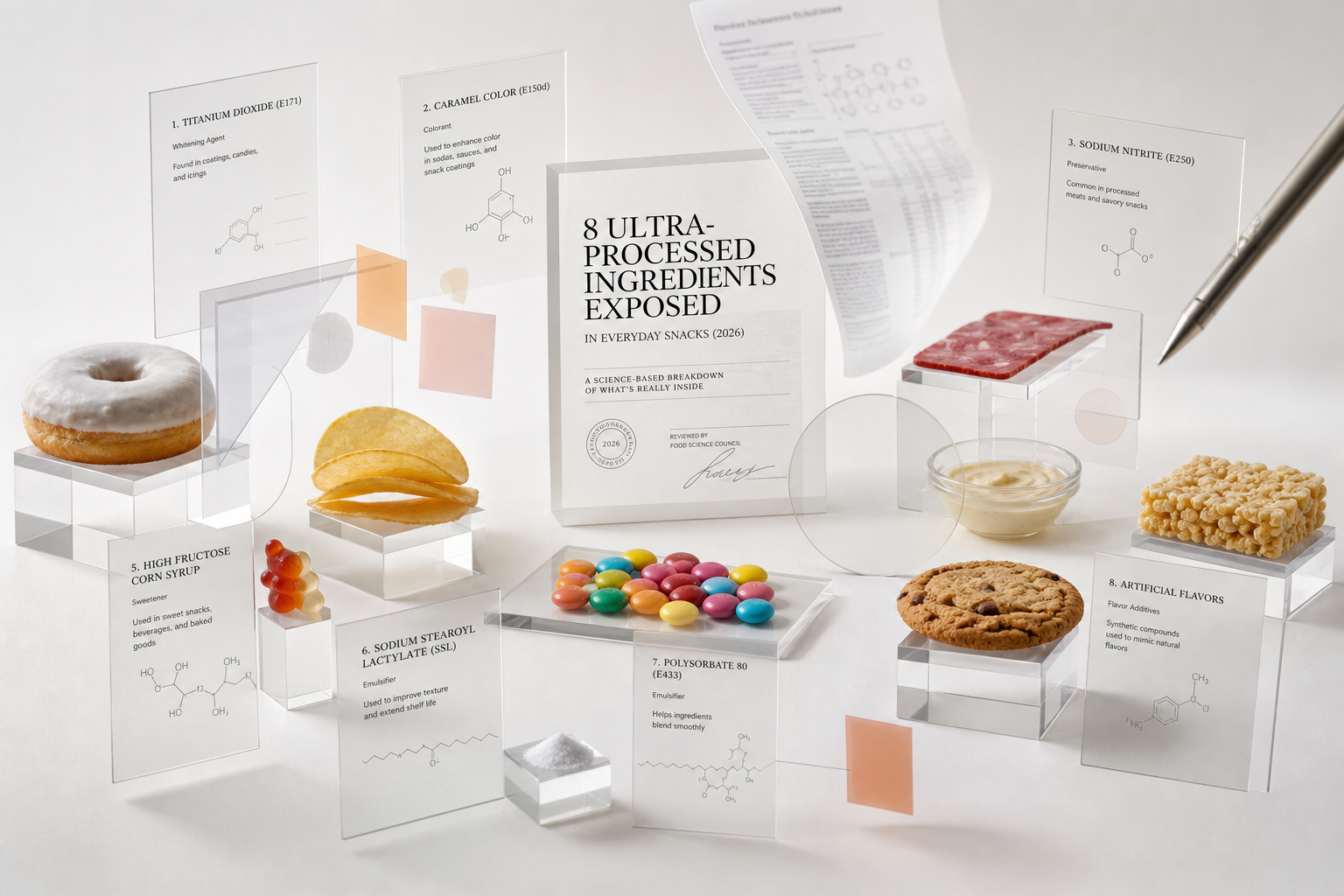
In 2026, the term "ultra-processed ingredients" has moved from niche nutrition circles to mainstream concern. The NOVA classification system, adopted globally, defines ultra-processed foods as industrial formulations made mostly or entirely from substances extracted from foods, derived from food constituents, or synthesized in laboratories. These additives are designed to enhance flavor, texture, shelf life, and appearance, but often at the expense of nutritional value.
According to a recent report from the American Journal of Clinical Nutrition, over 57% of calories in the typical American diet now come from highly-processed foods containing these synthetic ingredients. This figure continues to grow as food manufacturers develop new ways to mask artificial additives under innocuous-sounding names. A 2025 meta-analysis linked diets high in processed additives with increased rates of obesity, diabetes, and metabolic syndrome. The reality? Most snack foods on supermarket shelves in 2026 contain more synthetic compounds than real, whole ingredients.
Still guessing what's in your food? One free scan with Wildverse shows you everything the label hides — in 3 seconds.
8 Ultra-Processed Additives Hiding in Everyday Snacks
- High-Fructose Corn Syrup (HFCS) — This cheap sweetener, derived from corn starch, is omnipresent in sodas, granola bars, and cookies. Research links HFCS to increased fat accumulation in the liver and elevated triglyceride levels. The CDC reported in 2025 that Americans consume an average of 35 pounds of HFCS annually, fueling obesity and insulin resistance.
- Artificial Sweeteners (Aspartame, Sucralose, Acesulfame K) — Used to mimic sugar without the calories, these synthetic sweeteners can alter gut microbiota and may increase cravings for sweets. Recent studies, such as those summarized in our Artificial Sweeteners Side Effects article, have questioned their long-term safety, especially regarding metabolic health and mood disorders.
- Hydrogenated Oils (Trans Fats) — Despite FDA bans on partially hydrogenated oils, "fully" hydrogenated versions and refined seed oils still slip into chips and crackers. These fats are associated with higher LDL ("bad") cholesterol and a 21% increased risk of heart disease according to a 2024 JAMA study.
- Monosodium Glutamate (MSG) — Used to intensify umami flavors in savory snacks, MSG can trigger headaches and increase appetite. While the FDA considers it safe in moderate amounts, new research in 2026 suggests chronic overconsumption may disrupt natural satiety signals and promote overeating.
- Soy Protein Isolate — This highly-refined protein, found in "health" bars and vegan snacks, is stripped of most nutrients and often extracted using chemical solvents. Concerns include potential contamination with hexane and the loss of beneficial plant compounds present in whole soy.
- Sodium Nitrite and Sodium Nitrate — These preservatives give deli meats and jerky their color and shelf life but are classified as probable carcinogens by the World Health Organization. A 2025 review found that regular consumption increases colorectal cancer risk by up to 18%.
- Artificial Colors (Red 40, Yellow 5, Blue 1) — These petroleum-derived dyes are linked to hyperactivity in children and potential carcinogenicity. Despite tighter regulations, they are still present in candies, cereals, and even yogurt.
- Emulsifiers (Polysorbate 80, Carboxymethylcellulose) — These texturizers keep ingredients from separating in creamy snacks and processed cheeses. Emerging evidence from 2025 indicates emulsifiers can disrupt gut barrier function and contribute to inflammation and metabolic syndrome.
Thousands are already scanning their food daily. Don't eat blind — see what's really in your food with Wildverse.
How Ultra-Processed Ingredients Affect Your Health — What Science Says
Ultra-processed compounds—whether labeled as synthetic additives, artificial flavors, or chemical preservatives—are more than just culinary shortcuts. Numerous peer-reviewed studies confirm their link with chronic disease. A 2025 Harvard School of Public Health study found that individuals consuming the highest amounts of ultra-processed foods had a 32% higher risk of developing type 2 diabetes compared to those eating the least. Even more alarming, children exposed to high levels of food dyes and emulsifiers showed increased rates of ADHD and gastrointestinal disorders.
Beyond individual health, experts warn of the societal impact: mounting healthcare costs, reduced productivity, and new generations growing up with altered taste preferences. The American Heart Association now officially recommends limiting synthetic additives, emphasizing that "the cumulative effect of hidden chemicals in our snacks represents a silent but significant threat to public health."
Can ultra-processed ingredients cause cancer?
Yes, some ultra-processed ingredients are linked to cancer risk. Specifically, sodium nitrite and certain artificial colors are classified as probable human carcinogens by the WHO, and regular consumption of these additives has been associated with increased rates of colorectal and other cancers in large-scale epidemiological studies.
Your neighbor already scanned their pantry. Have you? Try Wildverse free — the AI food scanner trusted by health-conscious families.
Frequently Asked Questions About ultra-processed ingredients
What are ultra-processed ingredients?
Ultra-processed ingredients are industrial compounds that have undergone extensive chemical or mechanical alteration, often used to enhance flavor, texture, or shelf life in packaged foods. Examples include artificial sweeteners, emulsifiers, hydrogenated oils, and synthetic colorants.
Are all processed foods unhealthy?
No, not all processed foods are unhealthy. Minimally processed items like frozen vegetables or pasteurized milk retain most of their original nutrients, whereas heavily processed foods with synthetic additives and preservatives pose greater health risks.
How can I identify ultra-processed additives on labels?
You can spot ultra-processed additives by looking for ingredients with unfamiliar, chemical-sounding names (e.g., polysorbate 80, sodium nitrite, artificial flavors). Shorter ingredient lists and recognizable whole foods are typically better choices.
Do artificial sweeteners count as ultra-processed?
Yes, artificial sweeteners such as aspartame, sucralose, and acesulfame K are considered ultra-processed ingredients. These synthetic compounds are frequently added to "diet" and "sugar-free" snacks to provide sweetness without calories, but their long-term health impacts remain a concern. For more, read our article on artificial sweeteners' side effects.
What Wildverse Experts Recommend
The evidence is clear: a diet high in ultra-processed ingredients increases your risk of chronic disease, disrupts gut health, and can even alter your brain chemistry over time. Our nutritionists urge readers to read ingredient labels carefully and minimize foods containing synthetic additives, artificial sweeteners, and chemical preservatives. Simple swaps—like choosing snacks with whole food ingredients—can make a dramatic difference in your long-term health.
Take advantage of technology: Smart food scanners like Wildverse make it easier than ever to decode ingredient lists and identify hidden threats. As we've shown in this guide—and in our deep dives on hidden sugar alcohols and AI-powered food analysis—knowledge is your most powerful defense against ultra-processed dangers lurking in everyday snacks.
🦖 Free AI Scanner
What Are You Really Eating?
Thousands of people are already scanning their groceries with Wildverse. One scan reveals every hidden additive, sugar, and chemical in your food — in 3 seconds. Don't be the last to know what's on your plate.
Start Scanning Free →
No downloads. No signup. Just the truth about your food.