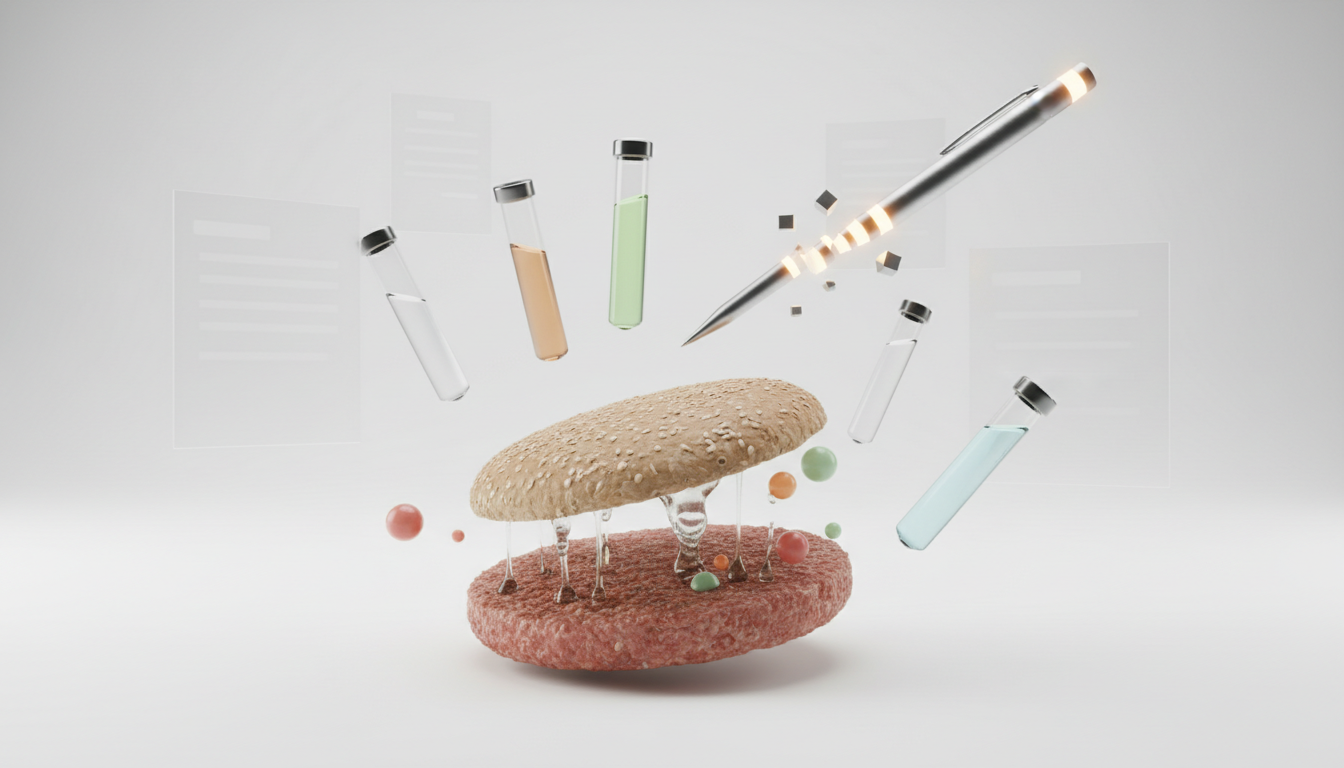
What Hidden Additives in Plant-Based Meats Really Means in 2026
Plant-based meats have surged in popularity as more Americans seek alternatives to traditional animal proteins. While these products promise health and sustainability, many consumers remain unaware of the concealed ingredients that make these meat analogs taste, look, and feel like real meat. In 2026, “hidden additives” refers to both chemical and natural compounds added to plant-based meats that are not always obvious from the front label. These can include flavor enhancers, preservatives, texturizers, and coloring agents—many of which are not immediately recognizable to the average shopper.
According to a 2025 market analysis by the Plant-Based Food Association, over 71% of popular plant-based meat brands contain at least three or more food additives per serving, far exceeding those found in minimally processed animal meats. Nutritionists warn that while these ingredients are generally recognized as safe, their cumulative impact on gut health, metabolic function, and inflammation remains a concern, especially when consumed frequently. Transparency issues persist, as some brands mask these hidden chemicals under generic terms like “natural flavors” or “plant-based binders.”
Still guessing what's in your food? One free scan with Wildverse shows you everything the label hides — in 3 seconds.
8 Hidden Additives Nutritionists Warn Are in Plant-Based Meats
- Methylcellulose — Used as a binder and texturizer, methylcellulose gives plant-based burgers a juicy, meat-like texture. However, it is a synthetic chemical derived from cellulose, and studies suggest it may cause digestive discomfort in sensitive individuals. The FDA considers it safe, but its long-term effects, especially when consumed in large amounts, are not fully known.
- Pea Protein Isolate — While derived from yellow peas, this protein undergoes heavy processing to remove fiber and nutrients. Nutritionists caution that pea protein isolate can sometimes contain trace residues from chemical solvents used in extraction, and its high concentration may cause bloating or allergic reactions in some consumers.
- Yeast Extract — Added to boost umami flavor, yeast extract often contains naturally occurring glutamates, similar to MSG. High intake of glutamates has been linked in some studies to headaches or sensitivities, although evidence is mixed. Yeast extract is rarely highlighted on the front label, making it a stealth flavor enhancer in many products.
- Potato Starch — Used to improve texture and moisture retention, potato starch is a processed carbohydrate that can spike blood sugar levels. For people monitoring their glycemic index, the hidden carb load from these additives can be significant, especially in plant-based sausages and nuggets.
- Natural Flavors — This vague term can hide dozens of chemical compounds derived from plant or microbial sources. The FDA does not require brands to detail each component, so consumers may ingest preservatives, solvents, or allergens without knowing it. “Natural flavors” appear in almost every major plant-based meat product on the market.
- Color Additives (Beet Juice, Annatto, Caramel Color) — To mimic the red or brown hue of cooked meat, brands use plant-based colorants. While generally safe, some color additives like caramel color can contain trace contaminants such as 4-MEI, a substance flagged for potential carcinogenicity in animal studies.
- Modified Food Starch — This additive thickens and stabilizes plant-based meats but is chemically altered from its original form. Modified starches may cause digestive issues in sensitive individuals and can be a hidden source of processed carbs.
- Calcium Propionate — Used as a preservative to extend shelf life, calcium propionate inhibits mold growth. Some nutritionists point to studies linking high intake of propionates to potential disruptions in gut microbiome balance and increased risk of metabolic issues, though more research is needed.
Thousands are already scanning their food daily. Don't eat blind — see what's really in your food with Wildverse.
How Hidden Additives in Plant-Based Meats Affect Your Health — What Science Says
The cumulative impact of concealed additives in plant-based meats is a growing concern among nutritionists and researchers. While each additive on its own is typically regarded as safe by the FDA, the combination and frequency of consumption can present unique health challenges. A 2024 study published in the Journal of Nutrition Research found that people who consumed plant-based meats daily had a 14% higher incidence of reported digestive issues, such as bloating and altered bowel habits, compared to those who ate minimally processed plant foods.
Some hidden chemicals, like methylcellulose and modified food starches, may disrupt digestion or cause mild inflammation in sensitive individuals. Others, such as preservatives and flavor enhancers, have been linked to changes in gut microbiome composition. Experts caution that the long-term effects of these synthetic or highly processed ingredients remain under-researched, especially as the plant-based market evolves and new additives emerge. For those with allergies, intolerances, or autoimmune conditions, the risk of unsuspected reactions is heightened by vague labeling and proprietary blends.
Can hidden additives in plant-based meats cause health problems?
Hidden additives in plant-based meats can contribute to digestive discomfort, allergic reactions, and potential metabolic changes when consumed frequently. While most are approved as safe in small quantities, the cumulative effect—especially for people with sensitivities—can lead to health concerns over time.
Your neighbor already scanned their pantry. Have you? Try Wildverse free — the AI food scanner trusted by health-conscious families.
Frequently Asked Questions About Hidden Additives
Which plant-based meat brands have the most hidden additives?
Brands with the most hidden additives are typically those that closely mimic the taste, color, and texture of real meat, such as Beyond Meat and Impossible Foods. These products often rely on multiple binders, flavor enhancers, and preservatives, which may not be fully disclosed on the front packaging.
Are the hidden chemicals in plant-based meats safe to eat?
Most hidden chemicals in plant-based meats are considered safe by the FDA in regulated quantities, but frequent consumption or sensitivity to certain ingredients can increase the risk of digestive issues, inflammation, or allergic reactions. It is important to read ingredient lists closely and be aware of vague terms like “natural flavors.”
How can I avoid concealed additives in meat alternatives?
To avoid concealed additives in meat alternatives, choose minimally processed products with short, recognizable ingredient lists. Look for brands that are transparent about their formulations and avoid those that rely on generic terms or long lists of synthetic ingredients. Using an AI food scanner can help you quickly spot hidden chemicals.
Do plant-based meats contain artificial sweeteners or sugar alcohols?
Some plant-based meats may contain artificial sweeteners or sugar alcohols, especially in flavored or prepared varieties. These can contribute to digestive upset for some people. For more details, visit our guide on hidden sugar alcohols safety.
What Wildverse Experts Recommend
Based on our analysis, consumers should approach plant-based meat alternatives with the same scrutiny as any other processed food. The presence of hidden ingredients—ranging from flavor enhancers to preservatives—means it is essential to look beyond the marketing and scrutinize the ingredient list. Choosing products with fewer and more familiar components reduces your risk of ingesting questionable substances or experiencing unwanted side effects.
Wildverse experts also recommend leveraging technology for transparency. With AI-powered food scanners, you can quickly identify concealed additives and make informed decisions that align with your health goals. For further reading on how sweeteners and additives affect your body, check out our article on artificial sweeteners side effects. Staying informed is your best defense against the unknowns lurking in your plant-based choices.
🦖 Free AI Scanner
What Are You Really Eating?
Thousands of people are already scanning their groceries with Wildverse. One scan reveals every hidden additive, sugar, and chemical in your food — in 3 seconds. Don't be the last to know what's on your plate.
Start Scanning Free →
No downloads. No signup. Just the truth about your food.