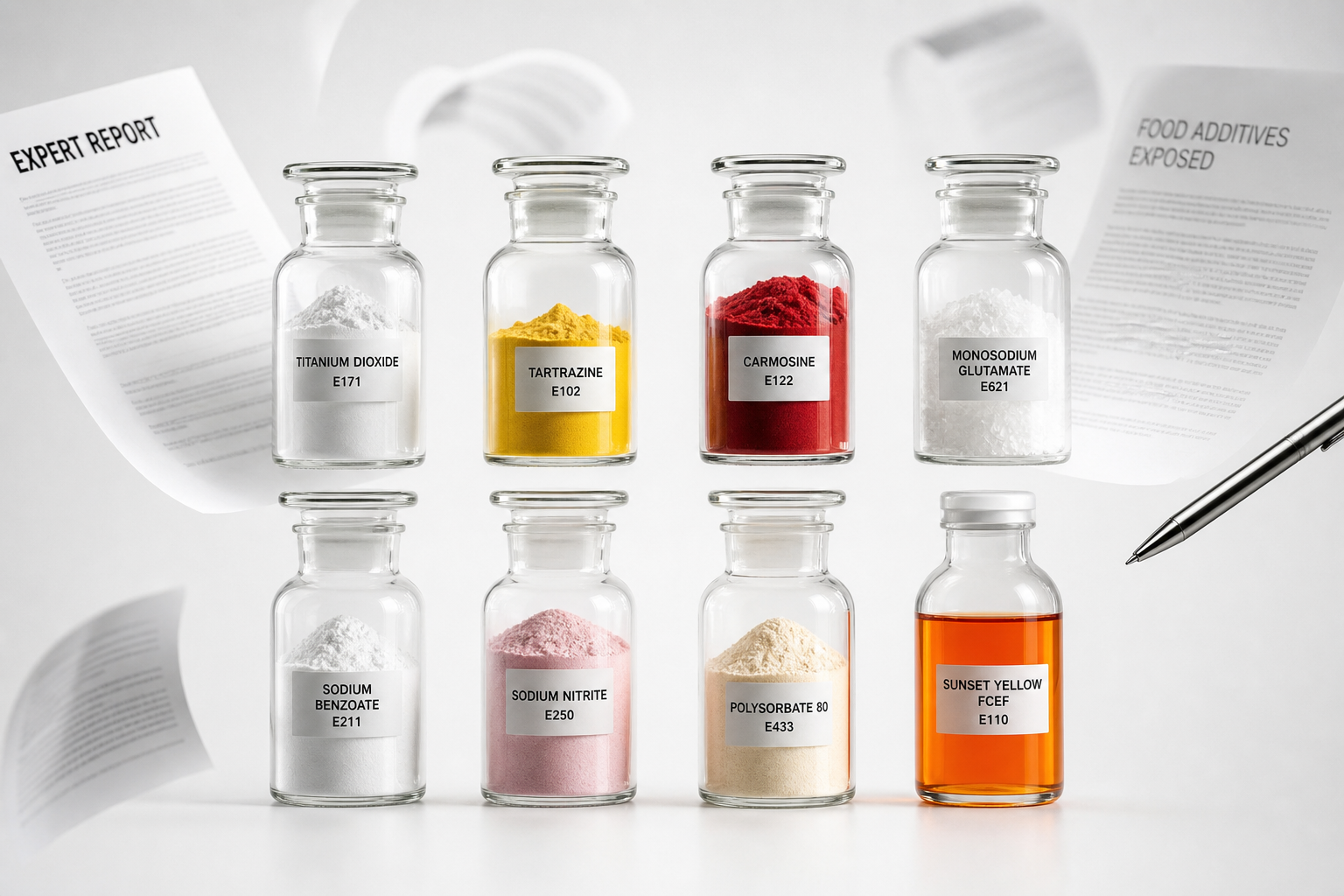
8 Hidden Additives in Packaged Foods Exposed by Experts (2026)
What Hidden Additives Really Mean in 2026
Hidden additives are substances added to processed and packaged foods that are not always disclosed clearly on ingredient lists or are masked under generic terms. In 2026, food scientists and nutritionists are raising fresh alarms as food labeling loopholes and advanced formulation techniques make it easier for manufacturers to disguise these ingredients. According to a 2025 report by the Center for Food Safety, over 68% of packaged foods in American grocery stores contain at least one hidden additive, often used to enhance flavor, shelf life, appearance, or texture without consumer awareness.
The scientific context for hidden additives has evolved. Modern food technology enables the use of microencapsulated chemicals, “flavor systems,” and multi-purpose stabilizers that evade scrutiny. These concealed substances often fly under the radar because they’re categorized as “processing aids” or labeled with innocuous names. A peer-reviewed study in the American Journal of Clinical Nutrition found that regular consumption of foods with undisclosed additives was linked to increased risks of metabolic syndrome and digestive distress in adults over a 10-year period.
Still guessing what's in your food? One free scan with Wildverse shows you everything the label hides — in 3 seconds.
8 Concealed Food Additives That Can Harm Your Health
- Modified Starches — Used as thickeners and stabilizers, modified starches may appear as “food starch” or “starch” on labels. These can alter blood glucose response and are often derived from genetically modified crops. A 2024 FDA review noted that up to 60% of processed snacks now contain some form of modified starch.
- Artificial Sweeteners — Ingredients like sucralose, aspartame, and acesulfame potassium are often listed under brand names or as part of “natural flavors.” While promoted as low-calorie alternatives, recent research suggests they may disrupt gut microbiota and potentially increase cravings for sweet foods. Learn more about the side effects of artificial sweeteners.
- Sodium Nitrite & Nitrate — Commonly found in processed meats, these additives are sometimes hidden under “curing salt” or “preservative 250.” Studies link frequent consumption to higher colorectal cancer risk, especially when combined with high-heat cooking methods.
- Phosphates — These mineral additives (such as sodium phosphate or calcium phosphate) improve texture and water retention in meats, cheeses, and baked goods. Excessive dietary phosphate is associated with cardiovascular and kidney risks, and a 2025 meta-analysis found that 40% of Americans regularly exceed recommended intake.
- Color Additives (Synthetic Dyes) — Dyes like Red 40, Yellow 5, and Blue 1 may be listed as “color added” or as part of a flavor system. Multiple studies have linked synthetic dyes to hyperactivity in children and potential allergenicity. The FDA now requires clearer labeling, but loopholes remain.
- Emulsifiers (Polysorbates & Mono- and Diglycerides) — Added to improve texture and extend shelf life, these may not be individually named but appear under “emulsifiers” or “stabilizers.” A 2024 animal study published in Nature indicated a link between common emulsifiers and increased inflammation in the gut.
- Flavor Enhancers (MSG & Yeast Extract) — Manufacturers often use yeast extract, hydrolyzed protein, or “umami flavor” to mask the presence of monosodium glutamate (MSG). While the FDA considers MSG generally safe, some people report headaches or sensitivity, and excessive consumption may impact satiety signals.
- Sugar Alcohols — These low-calorie sweeteners (like erythritol, sorbitol, and xylitol) are often listed under “sugar alcohols” or grouped within “sweeteners.” While they’re popular in sugar-free foods, emerging research questions their impact on gut health and metabolic function. For a deeper dive, see our guide to hidden sugar alcohols safety.
Your neighbor already scanned their pantry. Have you? Try Wildverse free — the AI food scanner trusted by health-conscious families.
How Hidden Additives Affect Your Health — What Science Says
The health effects of hidden additives are increasingly under the microscope as new studies reveal their potential to disrupt metabolic, digestive, and neurological processes. Many concealed chemicals, like artificial sweeteners and food dyes, have been linked to adverse gut changes, behavioral issues in children, and increased risk of chronic disease. A 2025 review in Frontiers in Nutrition found that frequent consumption of packaged foods with concealed chemical additives correlated with higher rates of obesity, type 2 diabetes, and irritable bowel syndrome.
Experts are particularly concerned about the cumulative effect of these substances. While an individual additive may be considered “generally recognized as safe” (GRAS) at low doses, the reality is that most Americans consume dozens of these compounds daily, often in combination. This “additive burden” can trigger inflammatory responses, alter hormone signaling and, in sensitive individuals, provoke allergic reactions or gastrointestinal distress.
Can hidden additives cause long-term health problems?
Yes, regular intake of hidden additives can lead to chronic health issues. Scientific studies suggest that continuous exposure may contribute to metabolic syndrome, gut dysbiosis, and increased risk of certain cancers, especially when multiple additives are consumed together. Experts recommend minimizing intake by choosing whole foods and reading labels carefully.
Thousands are already scanning their food daily. Don't eat blind — see what's really in your food with Wildverse.
Frequently Asked Questions About hidden additives
What are hidden additives in food?
Hidden additives are substances added to food products that are not clearly disclosed or are concealed under generic terms on ingredient lists. These can include artificial sweeteners, colorants, preservatives, and texturizers, many of which may impact health without consumer knowledge.
Why are food additives hidden on labels?
Food additives are often hidden on labels due to regulatory loopholes, use of umbrella terms like “flavorings” or “color added,” or because they are classified as processing aids. This allows manufacturers to avoid listing every chemical or compound used in production.
Are all hidden additives dangerous to your health?
Not all hidden additives are immediately harmful, but regular, long-term consumption can increase health risks. Some, like artificial sweeteners and synthetic dyes, are associated with adverse effects including metabolic changes, allergies, and behavioral issues in children.
How can I avoid hidden additives in packaged foods?
You can avoid hidden additives by choosing whole, minimally processed foods, reading ingredient labels carefully, and using tools like food scanner apps. Opt for products with short, transparent ingredient lists and beware of vague terms like “flavorings” or “stabilizers.”
What Wildverse Experts Recommend
The evidence is clear: hidden additives are more prevalent and harder to detect than ever. Experts at Wildverse strongly advise consumers to be proactive in scrutinizing ingredient lists and to be wary of vague or umbrella terms that may conceal potentially harmful substances. Relying solely on front-of-package marketing or “natural” claims is no longer sufficient in 2026.
As our analysis revealed, many common packaged foods contain a cocktail of concealed preservatives, colorants, and flavor enhancers. The health risks are magnified by the cumulative daily exposure to these stealth chemicals. Wildverse nutritionists recommend leveraging AI-powered food scanners and staying informed with up-to-date resources, such as our guides on AI vs hidden sugars in food and sugar alcohol safety, to make truly informed choices and protect your long-term health.
🦖 Free AI Scanner
What Are You Really Eating?
Thousands of people are already scanning their groceries with Wildverse. One scan reveals every hidden additive, sugar, and chemical in your food — in 3 seconds. Don't be the last to know what's on your plate.
Start Scanning Free →
No downloads. No signup. Just the truth about your food.