8 Dangerous Food Additives Exposed in Popular Snacks (2026)
What Food Additives Really Mean in 2026
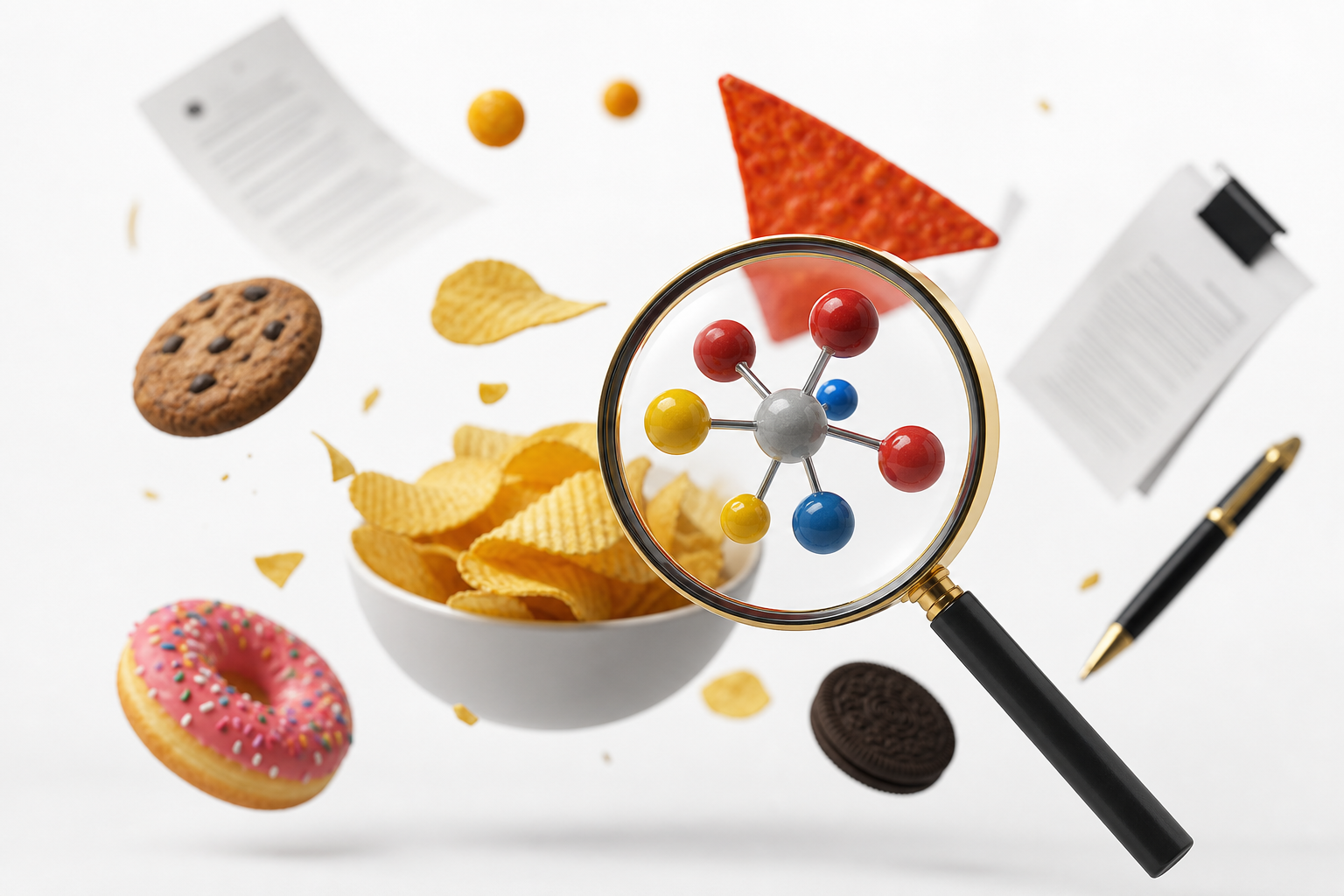
In 2026, the term "food additives" refers to a broad spectrum of substances added to processed foods to enhance flavor, appearance, shelf life, or texture. These chemical compounds include artificial flavors, colors, sweeteners, preservatives, and stabilizers. While many food additives are approved by regulatory agencies, growing scientific evidence highlights potential health risks, especially when consumed over time or in large amounts.
According to a 2025 survey by the American Nutrition Association, over 74% of packaged snacks on supermarket shelves contain at least three food additives per serving. The International Journal of Food Science reported that certain synthetic preservatives and colorants have been linked to increased rates of hyperactivity in children and potential carcinogenic effects in adults. As consumer awareness rises, more people are scrutinizing ingredient lists for these potentially harmful compounds.
Still guessing what's in your food? One free scan with Wildverse shows you everything the label hides — in 3 seconds.
8 Risky Food Additives Lurking in Your Favorite Snacks
- Butylated Hydroxyanisole (BHA) — BHA is a synthetic antioxidant used to prevent oils in snacks from going rancid. The National Toxicology Program classifies BHA as "reasonably anticipated to be a human carcinogen." Studies have shown that high intake over time may increase cancer risk, yet it remains common in chips and breakfast bars.
- Artificial Colors (Red 40, Yellow 5, Blue 1) — These synthetic dyes are found in candy, cereal, and soda to enhance visual appeal. Research from the Center for Science in the Public Interest links some artificial colors to hyperactivity in children and possible allergic reactions. In 2026, Red 40 remains prevalent despite mounting health concerns.
- Sodium Nitrite — Used to preserve and color processed meats, sodium nitrite can form carcinogenic nitrosamines when exposed to high heat. The World Health Organization classifies processed meats containing nitrites as Group 1 carcinogens, associating them with higher rates of colorectal cancer.
- Potassium Bromate — Often added to bread and baked snacks to improve texture, potassium bromate has been banned in the EU and several other countries. The U.S. FDA recognizes it as a potential carcinogen, yet it still appears in some popular brands. Chronic exposure may harm kidney function and increase cancer risk.
- Monosodium Glutamate (MSG) — MSG is a flavor enhancer found in savory snacks, instant noodles, and soups. Although considered safe in moderate amounts, some individuals report headaches, nausea, and heart palpitations after consumption. Recent studies suggest MSG may also disrupt metabolic health and appetite regulation.
- Partially Hydrogenated Oils (Trans Fats) — Despite regulations, trace amounts of artificial trans fats persist in some snack foods. Trans fats are strongly linked to increased risk for heart disease, stroke, and type 2 diabetes. In 2026, any presence of partially hydrogenated oils should be a red flag for consumers.
- Sodium Benzoate — This preservative is used in acidic snacks and beverages to inhibit microbial growth. However, when combined with vitamin C, sodium benzoate can form benzene, a known carcinogen. Studies also report possible links to hyperactivity and behavioral issues in children.
- Acesulfame Potassium (Ace-K) — A zero-calorie artificial sweetener found in "sugar-free" snacks and drinks, Ace-K has been criticized for potential effects on gut health and glucose metabolism. Animal studies have raised concerns about its safety, prompting calls for further research. For more on alternative sweeteners, visit our article on Artificial Sweeteners Side Effects.
Your neighbor already scanned their pantry. Have you? Try Wildverse free — the AI food scanner trusted by health-conscious families.
How Food Additives Affect Your Health — What Science Says
Mounting research underscores the health risks tied to chronic consumption of hazardous food additives. For example, a 2024 meta-analysis in JAMA Network Open found that individuals with the highest intake of processed snacks containing synthetic preservatives and colorants had a 22% higher risk of developing metabolic syndrome than those consuming minimally processed foods. Other compounds, like sodium nitrite and potassium bromate, have demonstrated genotoxic and carcinogenic effects in animal studies, sparking regulatory action in several countries.
Beyond long-term risks, immediate adverse effects are increasingly reported. Sensitivities to artificial colorings and MSG manifest as headaches, behavioral changes, or gastrointestinal distress. Children are especially vulnerable, with preservatives and hidden sweeteners linked to increased rates of ADHD and allergic reactions. For more on sugar alcohols hiding in snacks, check out our guide on Hidden Sugar Alcohols Safety.
Can food additives cause cancer?
Yes, certain food additives such as BHA, sodium nitrite, and potassium bromate have been linked to an increased risk of cancer in numerous studies. The World Health Organization and the U.S. National Toxicology Program have classified some of these compounds as potential or probable human carcinogens when consumed regularly in processed foods.
Thousands are already scanning their food daily. Don't eat blind — see what's really in your food with Wildverse.
Frequently Asked Questions About Food Additives
What are food additives, and why are they used?
Food additives are substances added to foods to improve shelf life, taste, texture, or appearance. They include preservatives, colorings, flavor enhancers, and artificial sweeteners, commonly used in processed and packaged snacks to maintain freshness and appeal.
Are all food additives dangerous?
Not all food additives are dangerous, but several commonly used ones have been linked to negative health effects. While some additives are deemed safe in small amounts, ongoing research shows that regular consumption of synthetic preservatives, dyes, and certain sweeteners can pose health risks.
How can I avoid harmful food additives in snacks?
To avoid harmful food additives, read ingredient labels carefully and opt for snacks with short, recognizable ingredient lists. Choose whole foods or minimally processed options, and use tools like the Wildverse AI food scanner to instantly reveal hidden chemicals and additives.
Do food additives affect children differently than adults?
Yes, children are often more sensitive to food additives, especially artificial colors and preservatives. Studies have shown increased rates of hyperactivity, behavioral changes, and allergies in children exposed to these compounds compared to adults.
What Wildverse Experts Recommend
Our expert analysis of the most prevalent and hazardous food additives found in today's popular snacks underscores a critical truth: not all ingredients are as harmless as they seem. BHA, sodium nitrite, artificial colors, and several synthetic compounds have repeatedly shown potential for long-term health harm, including increased cancer risk and metabolic disruption. Children and sensitive individuals are particularly at risk, making vigilance essential for families.
We recommend scanning your snacks and groceries regularly to spot risky additives before they impact your health. The data is clear: knowledge is your first line of defense. For those serious about clean eating, leveraging technology like the Wildverse scanner can be a game-changer in the battle against hidden chemicals and misleading food labels. Stay informed, stay safe, and always question what's really in your favorite snacks.
🦖 Free AI Scanner
What Are You Really Eating?
Thousands of people are already scanning their groceries with Wildverse. One scan reveals every hidden additive, sugar, and chemical in your food — in 3 seconds. Don't be the last to know what's on your plate.
Start Scanning Free →
No downloads. No signup. Just the truth about your food.