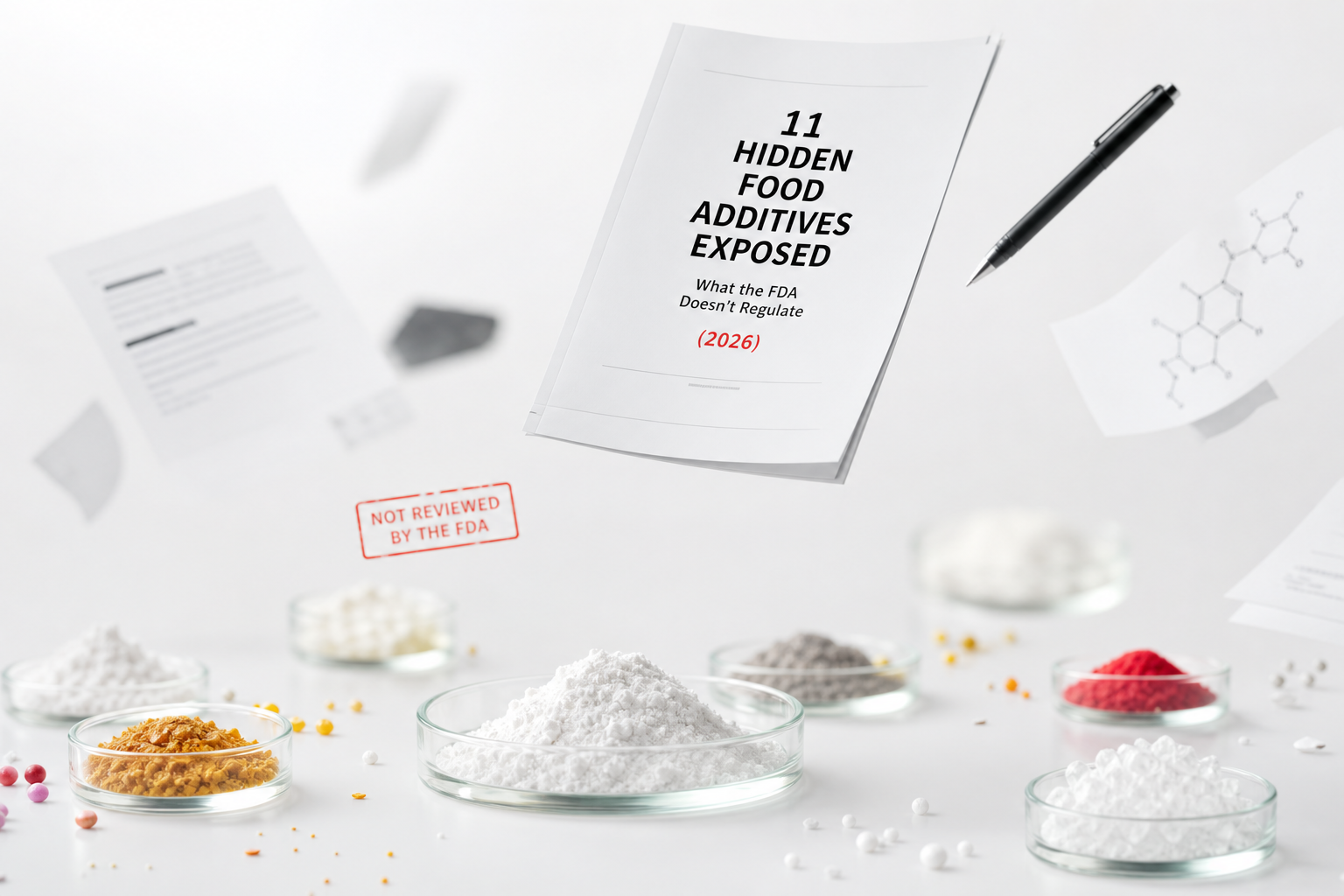
11 Hidden Food Additives Exposed: What the FDA Doesn't Regulate (2026)
What Hidden Food Additives Really Mean in 2026
In 2026, the term "hidden food additives" refers to chemicals, enhancers, and synthetic substances added to foods that are either not clearly listed on packaging or not tightly regulated by the U.S. Food and Drug Administration (FDA). Unlike well-known preservatives and colorants, these concealed additives often slip under the radar, bypassing the FDA's Generally Recognized As Safe (GRAS) process or entering the food supply through loopholes in labeling laws. According to a 2025 study published in Food Additives & Contaminants, over 3,000 food chemicals are present in the U.S. marketplace, but only about 60% have undergone rigorous safety review by federal agencies.
Many consumers assume that every ingredient in their grocery cart has been thoroughly vetted for safety, but the reality is more complex. The FDA delegates much of the safety assessment to food manufacturers themselves, and newer synthetic compounds can be introduced without robust, long-term human studies. This means a significant number of concealed additives are present in foods ranging from bread to beverages, and their long-term health impacts remain uncertain.
Your neighbor already scanned their pantry. Have you? Try Wildverse free — the AI food scanner trusted by health-conscious families.
11 Unregulated Food Additives Hiding in Your Groceries
- Propyl Paraben — Commonly used as a preservative in tortillas, muffins, and diet foods, propyl paraben can disrupt hormone function. The Environmental Working Group (EWG) found it in 49% of tested baked goods, yet the FDA does not require warning labels or restrict its use in food.
- Butylated Hydroxyanisole (BHA) — This antioxidant extends shelf life in cereals, chips, and gum. While the National Toxicology Program labels BHA as "reasonably anticipated to be a human carcinogen," it remains legal in the U.S., even as Europe restricts its use.
- Potassium Bromate — Added to breads and rolls to improve texture, potassium bromate has been classified as a possible human carcinogen by the International Agency for Research on Cancer (IARC). Despite its ban in over 60 countries, the FDA still permits it in American baked goods.
- Natural Flavors — This vague term can mask hundreds of chemical compounds, solvents, and preservatives. The FDA does not require manufacturers to disclose which substances are included, leaving consumers in the dark about potential allergens or synthetic additives.
- Transglutaminase ("Meat Glue") — Used to bind proteins in processed meats and imitation seafood, this enzyme is not always listed by name. While generally recognized as safe, there are concerns about allergenicity and the risks of bacterial contamination due to its use in restructured foods.
- Phosphates (Sodium Phosphate, Calcium Phosphate) — These chemical leavening agents and stabilizers are widely present in deli meats, cheeses, and sodas. Excessive phosphate intake has been linked to cardiovascular disease and kidney damage, yet the FDA does not regulate total phosphate levels in processed foods.
- Acetylated Distarch Adipate — A modified starch found in sauces and pie fillings, it enhances texture but can also increase caloric density without contributing nutrients. Its safety data is limited, and labeling is often unclear.
- Artificial Sweetener Carryovers — Foods labeled "no artificial sweeteners" may still contain hidden sweetener derivatives or sugar alcohols. Learn more in our article on Artificial Sweeteners Side Effects.
- Polysorbate 80 — Emulsifies ice cream and salad dressings for a creamy texture. Recent animal studies suggest gut microbiome disruption and inflammation, but the FDA has not set limits for its use in most foods.
- Cellulose (Wood Pulp) — Used to prevent clumping in shredded cheese and as a filler in processed foods, cellulose is derived from wood. While technically safe, it can displace more nutritious ingredients and is rarely disclosed clearly on labels.
- Flavor Enhancer E631 (Disodium Inosinate) — Often paired with MSG, this additive is found in instant noodles and snacks. Sensitive individuals may experience headaches or other reactions, but it's not always listed separately on packaging.
Thousands are already scanning their food daily. Don't eat blind — see what's really in your food with Wildverse.
How Hidden Food Additives Affect Your Health — What Science Says
The health implications of concealed food chemicals are increasingly under scrutiny. According to a 2024 review in JAMA Network Open, long-term exposure to certain unregulated food additives, such as BHA and potassium bromate, is associated with a higher risk of cancer, endocrine disruption, and metabolic syndrome. The problem is compounded by cumulative exposure: one study estimated that Americans consume an average of 8.6 pounds of food additives annually, with a significant percentage coming from undisclosed or poorly regulated sources.
Some hidden additives, especially synthetic emulsifiers like polysorbate 80, have been linked to gut microbiome changes, increased intestinal permeability ("leaky gut"), and low-grade inflammation — factors implicated in obesity and autoimmune disorders. Additionally, phosphate additives, which are absorbed more efficiently than natural phosphates, may elevate blood phosphate levels and contribute to heart disease risk, especially in older adults and those with kidney issues.
Transparency remains a major challenge. The lack of mandatory labeling for many food chemicals makes it difficult for consumers to make informed choices, and even diligent label-readers may miss potentially harmful substances lurking behind generic terms such as "natural flavors" or "modified food starch."
Can hidden food additives cause long-term health problems?
Yes, some hidden food additives have been linked to long-term health risks such as cancer, hormonal disruption, and metabolic disease. Scientific reviews have implicated chemicals like BHA, potassium bromate, and synthetic emulsifiers in elevating these risks, especially with chronic exposure. The lack of clear labeling makes it even harder for individuals to avoid these substances and protect their health.
Still guessing what's in your food? One free scan with Wildverse shows you everything the label hides — in 3 seconds.
Frequently Asked Questions About Hidden Food Additives
What are common examples of hidden food additives?
Common hidden food additives include propyl paraben, potassium bromate, polysorbate 80, and natural flavors. These additives are often not clearly disclosed on food labels and may be listed under generic terms or omitted entirely due to regulatory loopholes.
Why doesn't the FDA regulate all food additives?
The FDA relies on manufacturers to determine the safety of many food additives and often classifies them as Generally Recognized As Safe (GRAS). This self-affirmed GRAS system allows companies to introduce new chemicals without comprehensive federal review, resulting in gaps in regulation and oversight.
How can I avoid hidden food additives in my diet?
To avoid hidden food additives, focus on whole, minimally processed foods and read ingredient lists carefully. Using tools like the Wildverse AI food scanner can help identify concealed additives that aren't clearly mentioned on packaging, empowering you to make safer choices.
Are hidden food additives more common in processed foods?
Yes, hidden food additives are far more prevalent in processed and packaged foods than in whole foods. Items like snack foods, baked goods, deli meats, and frozen meals often contain multiple undisclosed or under-regulated additives to enhance flavor, texture, and shelf life.
What Wildverse Experts Recommend
The evidence is clear: many foods on American shelves contain hidden food additives that are not subject to thorough FDA regulation. Our review of the top 11 concealed additives highlights substances linked to serious health risks, from endocrine disruption to increased cancer risk. Even if you're a careful label reader, vague ingredient names and regulatory loopholes can make it nearly impossible to know exactly what's in your food.
At Wildverse, we recommend leveraging technology and transparency to take back control. Using AI-powered food scanners, consumers can finally uncover the truth about what they're eating. Given the growing body of research on the dangers of concealed additives — and the FDA's slow adaptation to new findings — those who scan their groceries are better positioned to protect their long-term health and that of their families. Empower yourself and stay ahead of the hidden additives lurking in your pantry.
🦖 Free AI Scanner
What Are You Really Eating?
Thousands of people are already scanning their groceries with Wildverse. One scan reveals every hidden additive, sugar, and chemical in your food — in 3 seconds. Don't be the last to know what's on your plate.
Start Scanning Free →
No downloads. No signup. Just the truth about your food.